Eradicating cancer in Kenya and Africa.
Eradicating cancer in Africa, starting with Kenya, is an immense and complex challenge that would require a comprehensive, multi-sectoral approach, including medical, financial, governmental, and societal involvement. Here’s a detailed, step-by-step plan with timelines, funding sources, roles of governments and stakeholders, and actionable steps for eradicating cancer in Kenya, which could serve as a model for the rest of Africa.
# 1. Comprehensive Cancer Awareness and Education Campaigns
Timeline: Year 1-2 (Ongoing)
Key Actions:
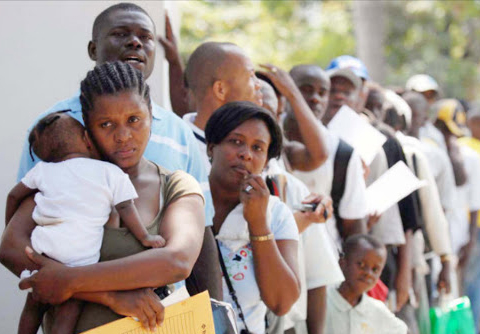
- Public Education: Develop nationwide awareness campaigns about cancer prevention,
symptoms, and early detection. This should involve schools, community centers, religious
institutions, and workplaces. - Community Health Workers (CHWs): Train CHWs to educate rural populations and
conduct community screenings. They would be critical in reaching people who have limited
access to healthcare facilities. - Mobile Apps and Digital Platforms: Leverage mobile technology to distribute educational
materials, reminding people about screening dates and risk factors.
Stakeholders:
- Kenya Ministry of Health (MOH): Lead the campaign and training efforts
- NGOs and Community Organizations: Partner with the government for outreach.
- Telecommunications Companies: Provide SMS services for education campaigns and
reminders - Schools and Universities: Engage students in awareness campaigns and leverage peer
influence.
Funding:
- International Health Foundations: Seek funding from organizations like the Gates
Foundation, American Cancer Society, and the World Health Organization (WHO). - Corporate Social Responsibility (CSR) Programs: Kenyan companies (e.g., Safaricom,
Equity Bank) can contribute as part of their CSR programs.
# 2. Establish Nationwide Screening and Early Detection Programs
Timeline: Year 2-4
Key Actions:
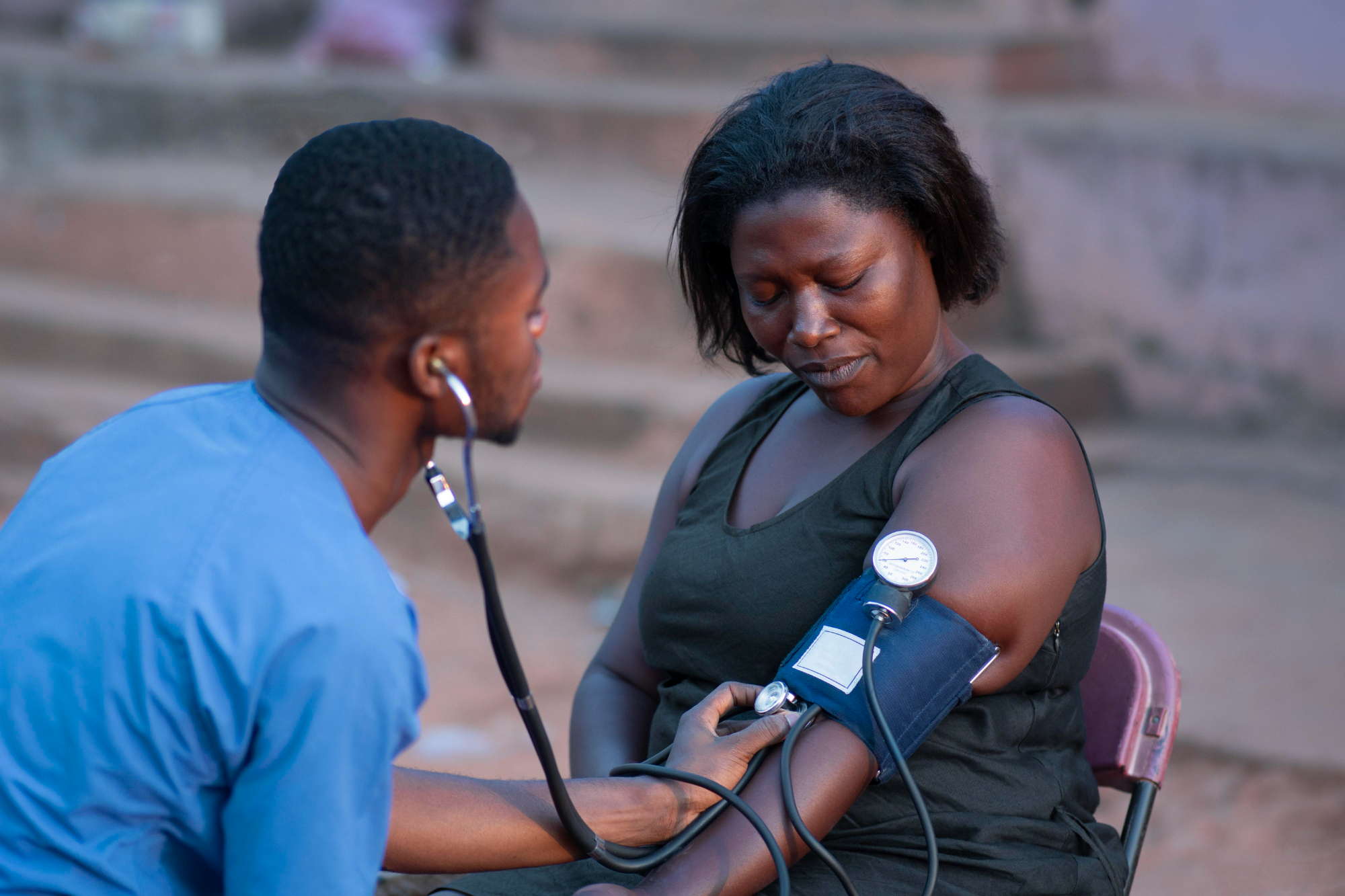
- Universal Screening: Provide free or subsidized cancer screening for common cancers (breast, cervical, prostate, and colon). Make screening a regular part of public health checks at local health centers and hospitals
- Mobile Clinics: Deploy mobile cancer screening units in rural areas to improve access to early detection services.
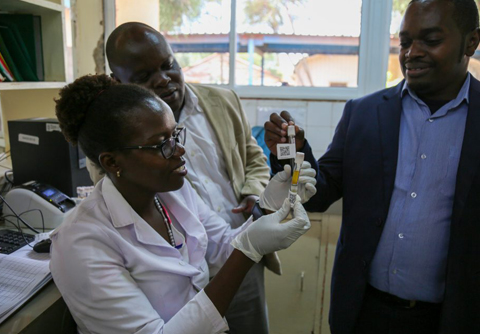
- Train Medical Professionals: Intensify the training of healthcare workers on cancer diagnostics and use of diagnostic technologies.
Stakeholders:
- Kenya MOH and County Governments: Oversee and implement the screening programs.
- Private Health Sector: Offer diagnostic services at reduced costs through partnerships.
- Pharmaceutical and Diagnostic Companies: Provide equipment and supplies.
- International Partners: WHO, United Nations, and global health organizations can assist with funding and expertise.
Funding:
- Kenya Government: Allocate a percentage of the national health budget towards cancer screening.
- International Donors: The Global Fund, African Development Bank, and WHO could contribute to infrastructure and training.
- Public-Private Partnerships (PPPs): Collaborations between the government and private sector to build screening centers.
# 3. Develop State-of-the-Art Cancer Treatment Centers Across Kenya
Timeline: Year 3-7
Key Actions:
- Specialized Cancer Centers: Construct regional comprehensive cancer treatment centers
with chemotherapy, radiation, and surgical oncology capabilities. Focus on underserved regions
like Northern and Coastal Kenya. - Oncology Training Programs: Increase the number of oncology specialists (doctors,
nurses, radiologists) through scholarships and partnerships with international cancer centers. - Telemedicine Platforms: Utilize telemedicine to provide expert consultations from global
cancer specialists, especially in cases requiring advanced diagnostics.
Stakeholders:
- Kenya Government: Allocate resources to build public cancer centers.
- African Union (AU): Facilitate cross-border collaborations between African countries for specialized care, research, and training.
- Universities and Medical Schools: Expand medical education programs with a focus on oncology.
- International Medical Centers**: Partner with global institutions like the Mayo Clinic or Johns Hopkins for training and telemedicine support.
Funding:
- Government Bonds and Health Insurance Funds: Issue long-term government bonds for
healthcare infrastructure, or utilize national health insurance schemes (e.g., NHIF) to subsidize
cancer care - Development Banks: African Development Bank and World Bank can finance these
initiatives. - Global Health Initiatives: Engage organizations such as the International Atomic Energy
Agency (IAEA) to provide radiation equipment and training.
# 4. Cancer Research and Development (R&D) in Kenya
Timeline: Year 4-10 (Ongoing)
Key Actions:
- National Cancer Institute: Establish a Kenya-based research institute focused on cancer epidemiology, genetics, and the development of locally appropriate treatments.
- Collaborate with International Research Bodies: Kenya can collaborate with the U.S.
National Cancer Institute, European Cancer Research Centers, and African research networks. - Clinical Trials: Develop clinical trial programs that test treatments specifically for African populations.
Stakeholders:
- Kenya MOH and Academic Institutions: Lead local research efforts.
- Pharmaceutical Companies: Collaborate on clinical trials and drug development.
- African Governments: Create a pan-African research platform for knowledge-sharing and
collective funding.
Funding:
- Kenya Government: Set aside funds from the health research budget.
- International Grants: Seek grants from the WHO, U.S. National Institutes of Health (NIH), and global cancer research foundations.
- Pharmaceutical Companies: Co-invest in research and clinical trials.
# 5. Affordable Access to Cancer Treatment Drugs and Technologies
Timeline: Year 5-10 (Ongoing)
Key Actions:
- Generic Drugs Production: Facilitate the local production of generic cancer drugs by partnering with local pharmaceutical manufacturers to bring down the cost of treatment.
- Subsidized Drug Access: Negotiate with pharmaceutical companies for lower drug prices and consider bulk purchasing at the African Union level to reduce costs.
- Radiotherapy and Chemotherapy Access: Ensure that public hospitals offer subsidized cancer treatments, with a priority on essential drugs and treatments like chemotherapy and
radiotherapy.
Stakeholders:
- Kenya Pharmacy and Poisons Board: Streamline the approval process for generic cancer drugs.
- Private Sector: Pharmaceutical companies and local manufacturers could be involved in producing and distributing affordable medication.
- Global Health Organizations: WHO and Global Fund to support affordable drug access programs.
Funding:
- African Union and NEPAD: Support local manufacturing of generic drugs through funding and policy frameworks
- World Health Organization (WHO): Assist with drug procurement and distribution systems.
- Global Pharmaceutical Companies: Engage in negotiations for reduced pricing or licensing agreements.
# 6. Promote Cancer Prevention Strategies (Lifestyle Changes, Vaccination Programs, and Legislation)
Timeline: Year 1-5 (Ongoing)
Key Actions:
- HPV Vaccination: Scale up nationwide HPV vaccination programs to reduce cervical cancer cases, which is highly prevalent in Kenya.
- Anti-Tobacco and Healthy Living Campaigns: Promote legislation banning smoking in public places and launch campaigns promoting healthy eating, exercise, and alcohol reduction.
- Workplace Wellness Programs: Encourage companies to introduce wellness programs focusing on cancer prevention, regular checkups, and education.
Stakeholders:
- Ministry of Health: Lead the vaccination and prevention efforts.
- Kenya Parliament: Pass legislation enforcing anti-tobacco and alcohol control measures.
- Workplaces and Schools: Implement wellness and prevention programs.
- NGOs and Community Groups: Collaborate with the government to conduct outreach and promote lifestyle changes.
Funding:
- GAVI (Global Vaccine Alliance): Provide funds for HPV vaccination programs
- Kenya Government: Allocate national health funds for prevention campaigns.
- Corporate Partners: Support corporate-sponsored wellness programs.
# 7. Involvement of International Organizations, African Governments, and the Private Sector
Timeline: Throughout the entire program
Key Actions:
- Continental Collaboration: African governments, through the AU and regional bodies like EAC (East African Community), should adopt a regional strategy for cancer eradication. They can pool resources, share research, and negotiate with pharmaceutical companies as a bloc.
- Public-Private Partnerships (PPP): Partner with private hospitals, international medical companies, and NGOs to leverage expertise, funds, and technology for cancer eradication.
- International Partnerships: Strengthen Kenya’s relationship with international health bodies (WHO, UICC) and countries with advanced cancer care systems, such as the U.S., UK, and India, for technology transfer and funding
Stakeholders:
- Ministry of Health: Lead the vaccination and prevention efforts.
- Kenya Parliament: Pass legislation enforcing anti-tobacco and alcohol control measures.
- Workplaces and Schools: Implement wellness and prevention programs.
- NGOs and Community Groups: Collaborate with the government to conduct outreach and promote lifestyle changes.
Funding:
- International Aid and Loans: Seek development aid from the World Bank, International Monetary Fund (IMF), and the African Development Bank.
- AU Health Fund: Advocate for a dedicated AU health fund for cancer eradication.
- Philanthropy: Seek donations from philanthropists like Bill Gates, and international NGOs like the American Cancer Society
This comprehensive approach to cancer eradication in Kenya and Africa involves preventive strategies, timely diagnosis, state-of-the-art treatment facilities, capacity building, and international collaboration. With dedicated funding, political will, and stakeholder participation, this goal is achievable within a decade.